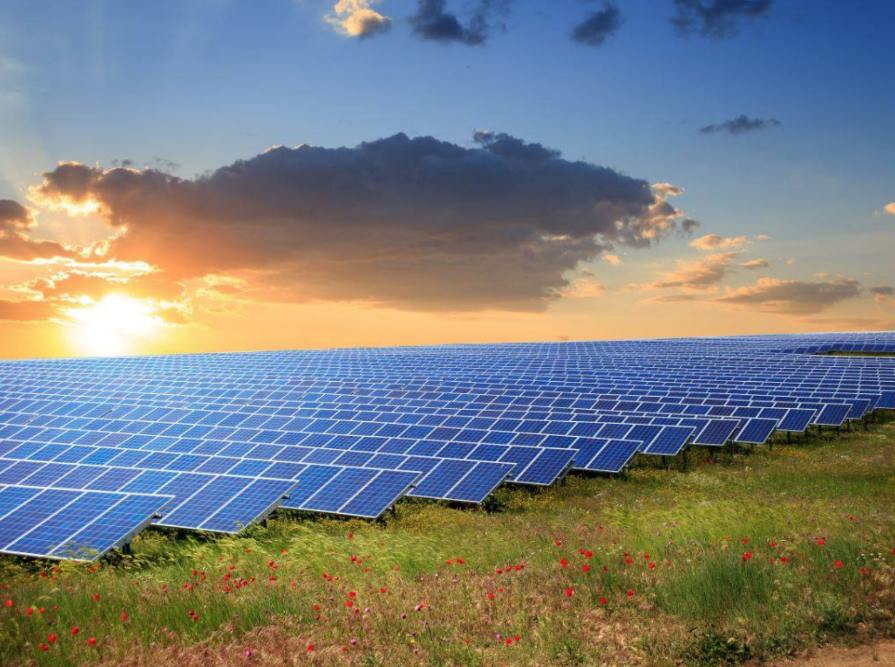
Picture 1, Solar farm found at https://i.pinimg.com/originals/55/42/96/554296a5e78dbd98814b9b156a21f1bc.png
A notable counterpoint in 2025 was the planned closure of the Ivanpah Solar Electric Generating System in California.4
Commissioned in 2014, Ivanpah was once the world’s largest concentrated solar thermal power plant and a promising attempt to deliver dispatchable solar power.
However, rapid advances in photovoltaic panels and battery storage have since made these technologies more cost-effective and operationally simpler. High maintenance costs ultimately undermined Ivanpah’s competitiveness. While the California Public Utilities Commission temporarily extended the operation of two units in late 2025, the broader lesson is positive: energy markets are evolving quickly, and older technologies are being replaced by more efficient solutions.
The plant was expected to close in early 2026 due to high operational costs and the shift towards more efficient solar photovoltaic technology, however in December 2025, the California Public Utilities Commission decreed that two units of the Ivanpah plant remain operational despite plans for closure and the opening of new photovoltaic farms in their stead.
Despite this apparent negative news of a plant closure and the potential economic losses for those involved it is also a positive example of continuous improvement for the industry switching from yesterday’s technology to the latest variation and to regain profitability.
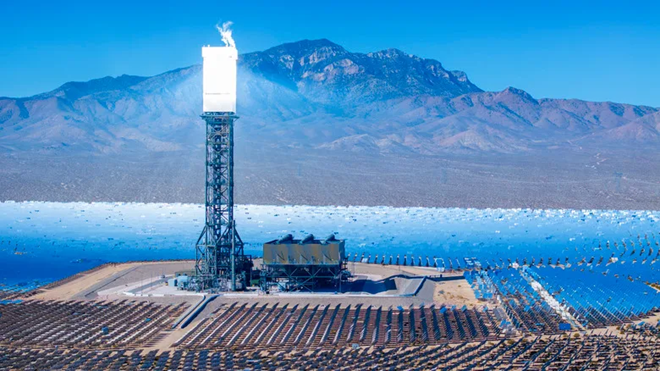
Ivanpah solar power facility found at https://www.yahoo.com/news/articles/2b-california-solar-plant-shut-230000405.html
One of the most significant technological developments of 2025 occurred in energy storage. After years of incremental progress, sodium-ion batteries emerged as a credible alternative to lithium-ion technology,5 potentially breaking the industries reliance on lithium.6
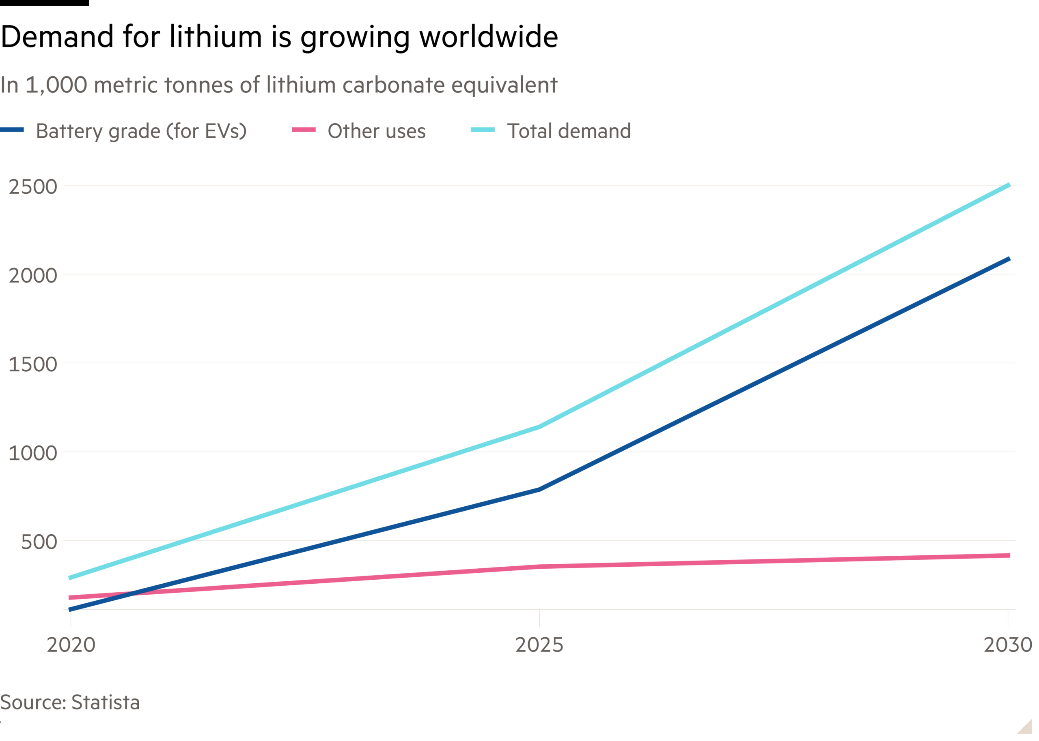
Lithium Demand, found at https://www.chinastrategy.org/2025/05/28/data-centres-remain-troublingly-reliant-on-chinese-lithium/
In October, researchers reported a breakthrough in stabilising high-performance sodium compounds, overcoming long-standing limitations in power density and durability. This was followed in December by CATL’s announcement of commercial sodium-ion battery deployment planned for 2026. While further development is required, sodium-ion batteries offer clear advantages, including lower material costs, greater resource abundance, and reduced reliance on geopolitically sensitive supply chains.7
In 2024 the UK closed its last coal powered generation plant., 2025 was the year that they announced their new nuclear ambitions. Nuclear energy is intended to replace coal as a low-carbon baseload source that complements variable renewable generation.8
In addition to the 3.2 GW Sizewell C plant, the UK plans to deploy a fleet of small modular reactors (SMRs), each producing approximately 500 MW. These reactors promise lower costs through standardisation, enhanced safety, and faster construction timelines, and may be particularly well suited to powering energy-intensive data centres.
There are a number of companies competing to design and build SMRs in the future. In the UK Rolls Royce has been approved but in the USA there are a number of companies competing for the potential market.9
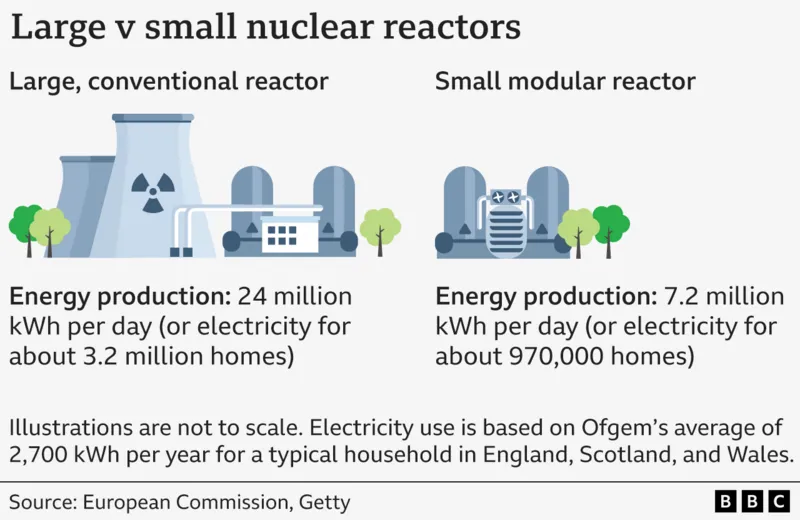
There are a number of companies competing to design and build SMRs in the future. In the UK Rolls Royce has been approved but in the USA there are a number of companies competing for the potential market.9
The holy grail of Nuclear Energy is not fission, as described above, but fusion and research continues. There has been a long-standing joke regarding Nuclear Fusion in that for the last 70 years (or so) fusion has always been just 20 years away for development.
To remind everyone of why Fusion is the holy grail of nuclear energy; it is primarily because unlike fission, fusion produces no long-lived high-level radioactive waste and carries no risk of runaway chain reactions; in simple terms Fission is bomb technology Fusion is what takes place in stars.
In October 2025, the IAEA identified six global trends suggesting accelerating research progress, including rising private investment exceeding US$10 billion and advances in high-temperature superconducting magnets that enable smaller reactor designs. While commercial fusion remains uncertain, 2026 is expected to provide clearer indications of its viability.10
Despite clean energy setbacks in the US, including the cancellation of several large renewable projects, resistance has emerged at state and local levels. One example is the Esmeralda 7 solar complex in Nevada, which was expected to generate up to 6.2 GW—enough to power two million homes. The project’s cancellation drew criticism from both parties, with Utah’s Republican governor warning of energy competitiveness risks relative to China.11, 12
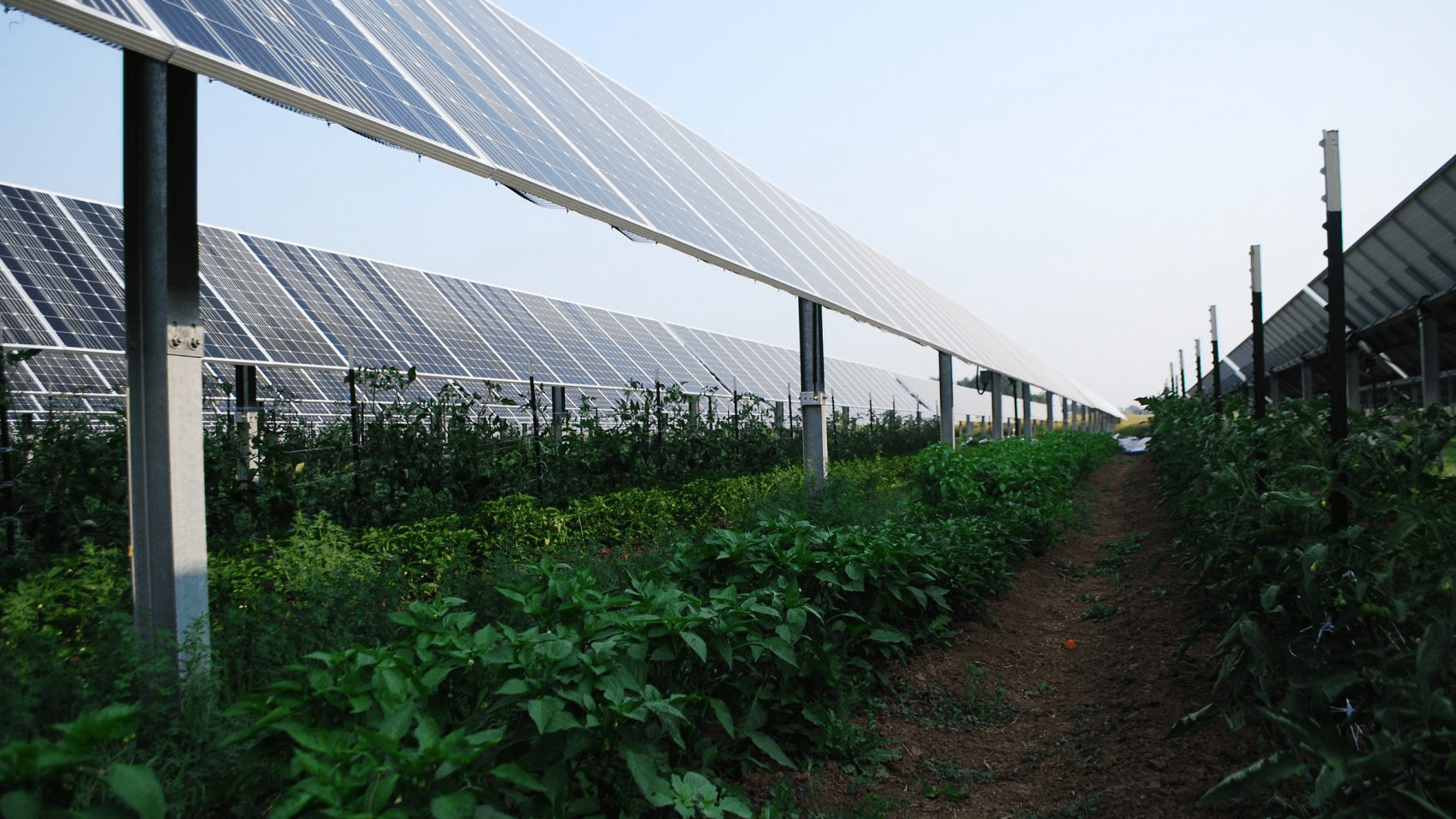
There had been some concern regarding the environment over this project, even though it is in a desert, such concerns become more focussed when land is perceived as farmland being taken out of food production. However, research from the US Department of Energy shows that energy generation and farming can coexist. Agrivoltaics—where crops, livestock, or pollinator habitats are integrated with solar installations—has demonstrated benefits for land efficiency, agricultural productivity, and ecosystem resilience.13
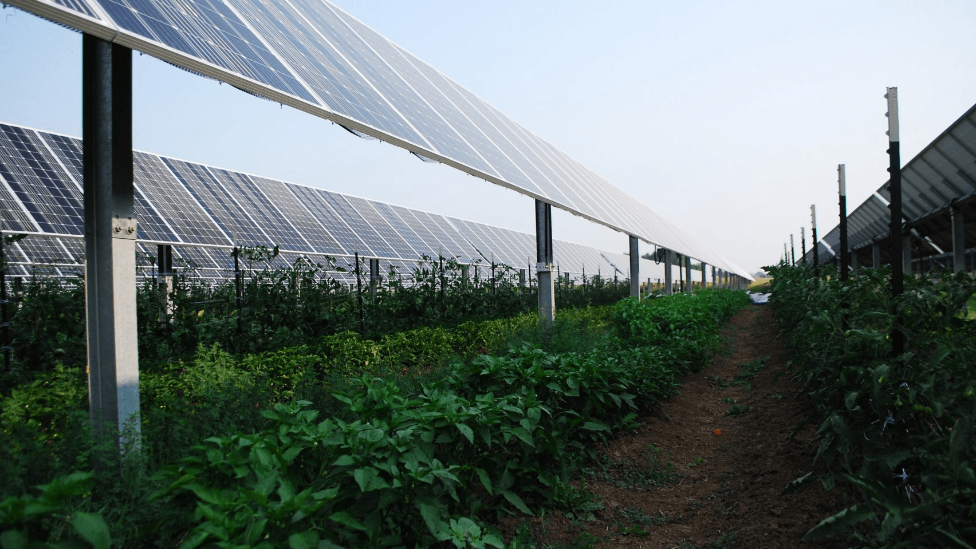
Agrivoltaics. Found at https://www.agritecture.com/hubfs/Imported_Blog_Media/agrivolt-min-1.png
Looking forward to a renewable 2026
*IAEA is the International Atomic Energy Agency
References: